What Is Deep Peru? A Guide to Off-the-Beaten-Path Travel

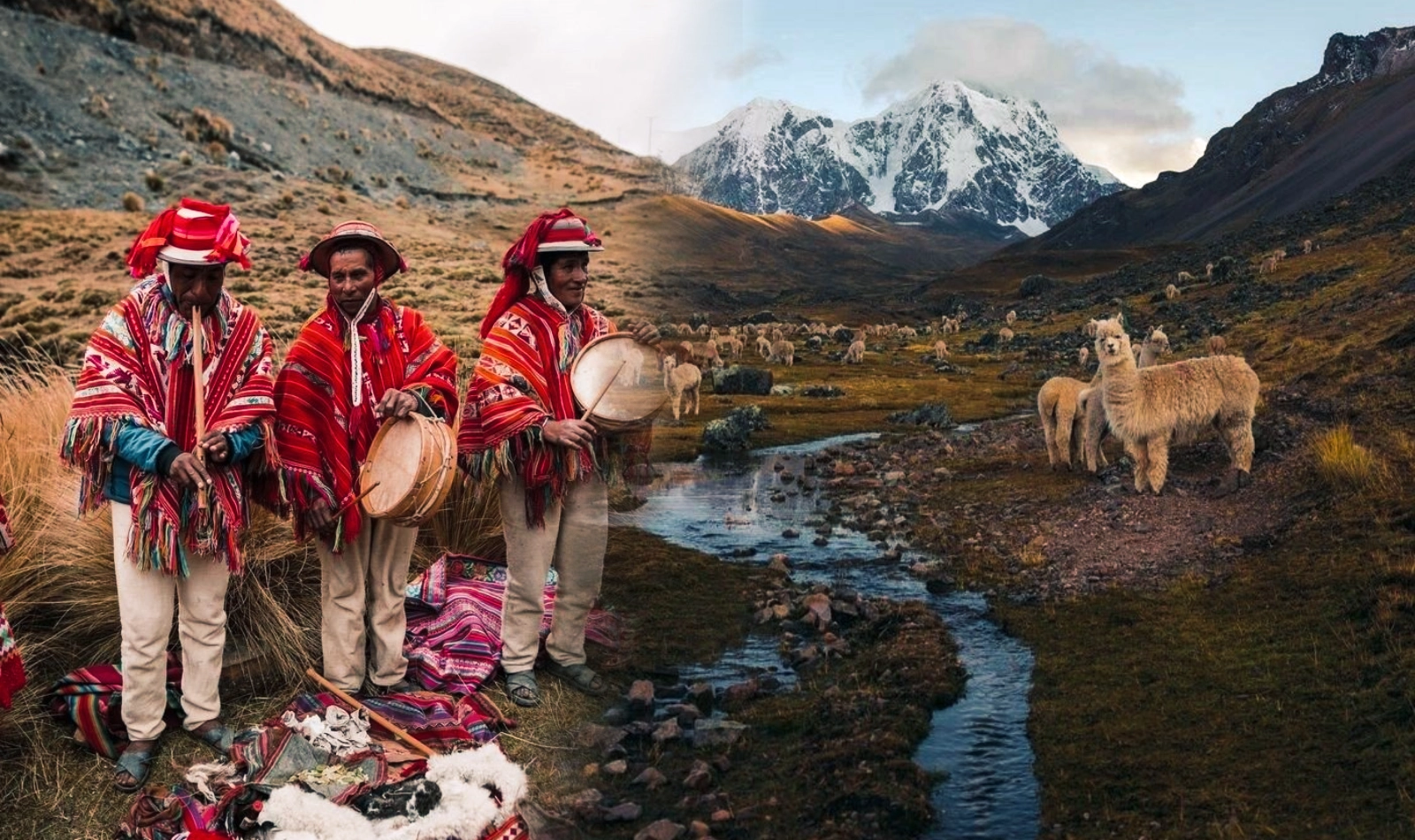
Mention Peru and most people picture Machu Picchu. Yet there is another way to know the country, often called deep Peru. It is slower and more personal, and it brings you closer to the people and landscapes beyond the famous postcards.
Table of Contents
What does deep Peru mean?
The term refers to the Andean heartland and its communities, where a cultural heritage still thrives: pre-Hispanic traditions, the Quechua language, high-altitude farming and a special bond with nature. It is not a single place on a map but a way of understanding the country and traveling through it with curiosity, respect and time to listen.
Deep Peru travel usually means rural roads, small villages, local markets and mountain scenery that you take in at an unhurried pace.
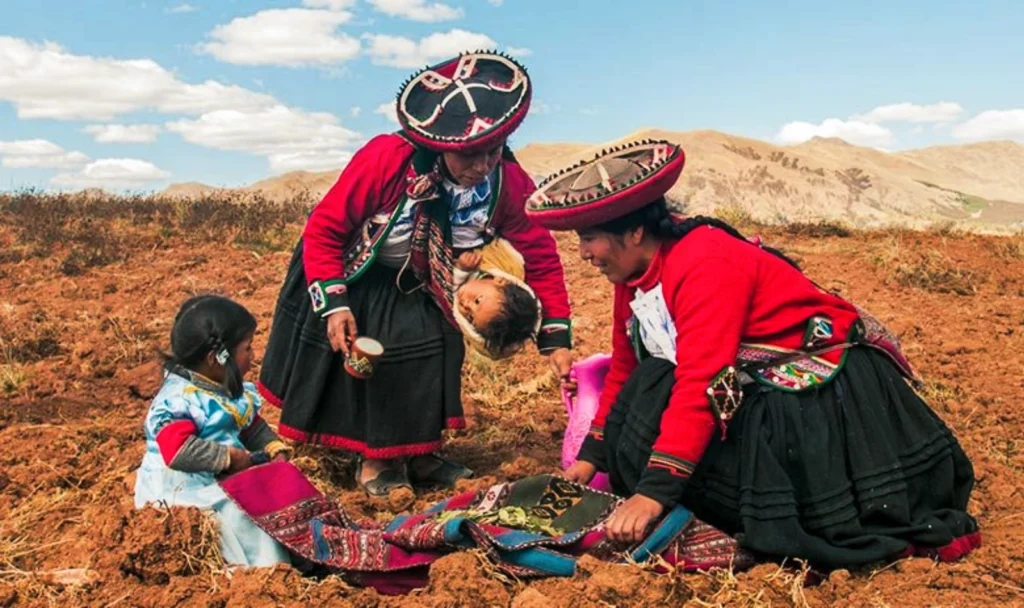
Andean communities: the heart of the experience
Near Cusco and the Sacred Valley, farming communities welcome visitors through community-based tourism projects. One example is the communities around Patabamba, where you can learn about daily family life: cooking with local ingredients, traditional weaving, terraced farming and Andean music.
These visits work best when they are arranged in agreement with the community and when part of what you pay reaches the families directly. Always ask your operator how that relationship is managed.
Landscapes beyond Machu Picchu
Colca Canyon
Near Arequipa, Colca is among the deepest canyons in the world. It has villages with Collagua and Cabana traditions, ancient farming terraces and viewpoints where you may see condors in flight. It is great for walking, soaking in hot springs and watching rural life.
Lake Titicaca
At Puno, the world’s highest navigable lake keeps living cultures alive. The floating Uros Islands, built from totora reeds, and the islands of Taquile and Amantani show forms of community organization and crafts that continue today. If you stay overnight with a family, go with respect and flexibility.
Vinicunca and Humantay
Rainbow Mountain and the turquoise Humantay Lake are high-altitude excursions that combine scenery with Andean culture. They are best done well acclimatized and with a local guide.
Andean spirituality
The Andean worldview holds mountains (the apus) and the earth (Pachamama) as sacred. One of the best-known practices is the despacho or offering to the earth, a ceremony of gratitude led by an Andean specialist. If you take part, do so respectfully and not as a show: it is a living practice, not a performance for tourists.
This spiritual side is the core of our Treasures of the Andes program, a 9-day journey that includes a Pachamama ceremony, the Sacred Valley, Machu Picchu, Vinicunca and Lake Titicaca.
Traveling responsibly
- Ask permission before photographing people, children or rituals.
- Buy directly from local artisans and producers when you can.
- Respect sacred sites: do not take stones or leave trash.
- Avoid handing out money or candy to children; ask your guide how to help appropriately.
- Choose operators that work fairly with communities.
- Learn a few Quechua words, such as allillanchu (hello) and sulpayki (thank you).
Combining deep Peru with the classics
You do not have to choose between Machu Picchu and lesser-known routes. Our 11-day Inca Mountain Range tour links Arequipa, Colca, Puno, Cusco, Machu Picchu, Vinicunca and Humantay in a route that mixes great icons with highland scenery and local life.
Frequently asked questions
Do I need special fitness? Not necessarily, but altitude requires acclimatization. Ask your doctor if you have concerns.
Is it suitable for everyone? Yes, though the pace is gentler and rural lodging is often simple.
When is the best time to go? The dry season, May to September, is usually the most comfortable for mountain roads.
If you want to experience a more authentic Peru, contact Deep Peru Travel. We will help you design a trip that blends the great classics with real encounters with Andean communities.
Design your tailor-made trip
Don't let them tell you about it. Experience the authentic Inca Trail with local experts.
Book AdventureTours Recomendados
More Reads
November 18, 2026
November 18, 2026
November 18, 2026





Leave a Reply