Lake Titicaca Guide: Uros, Taquile and Things to Do in Puno

Lake Titicaca is one of the great sights of southern Peru. Sitting at roughly 3,800 meters (12,500 feet) above sea level and shared between Peru and Bolivia, it is often described as one of the highest navigable lakes in the world. On the Peruvian shore, the city of Puno is the gateway to islands, Quechua and Aymara communities and wide altiplano landscapes. This guide covers the essentials for visiting Lake Titicaca, Uros and Taquile and getting the most out of your time in Puno.
Table of Contents
Puno: Peru’s folkloric capital
Puno is a relaxed highland city with a stone baroque cathedral, a lively pedestrian street (Jirón Lima) and viewpoints over the bay. It is known for its music and dance, and every February it hosts the Virgen de la Candelaria festival, one of the biggest celebrations in the country. If you plan to travel then, book well ahead and check the current festival calendar.
The Uros floating islands
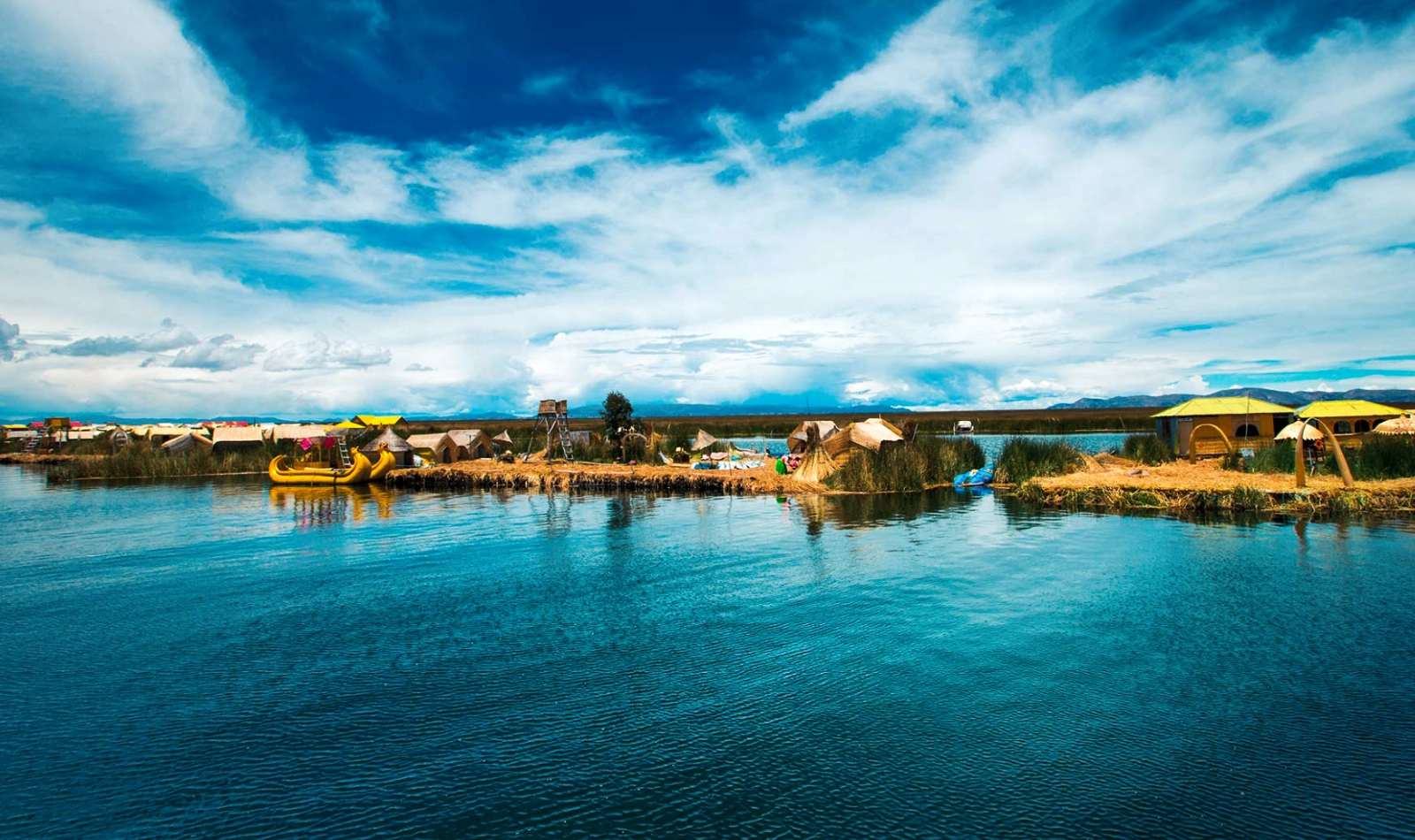
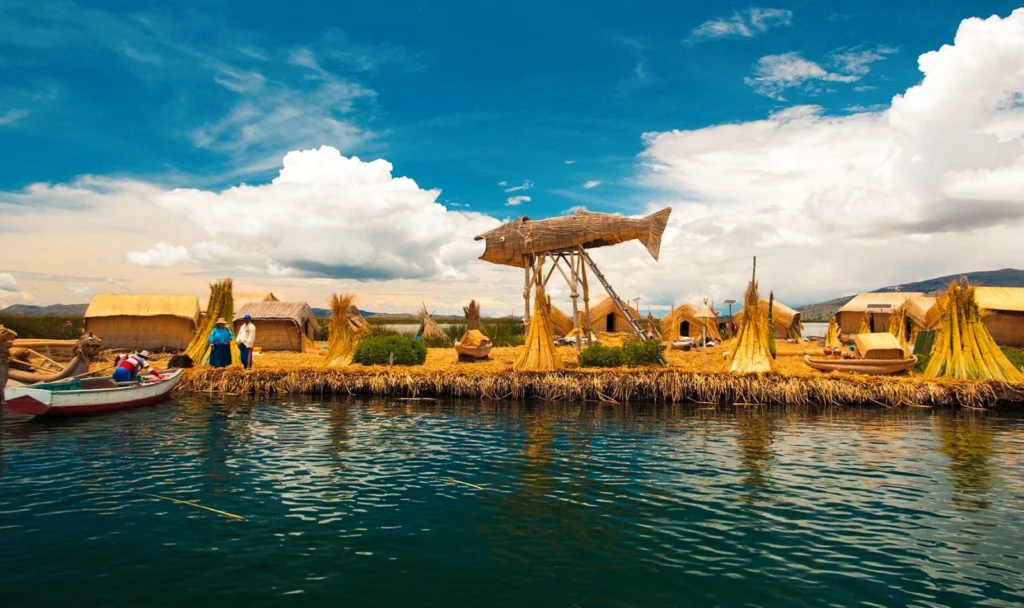
The Uros islands lie a short boat ride from Puno. They are built from layers of totora, a reed that grows in the lake, which is also used for the houses and traditional boats. Families keep adding fresh reeds on top because the base slowly rots away.
A visit usually lasts one to two hours. A local guide explains how the islands are made, how daily life works and how fishing and handicrafts fit in. It is a tourist visit, so be respectful: ask before photographing people, and remember that buying crafts is a direct source of income for the families.
Taquile Island: weaving and tradition
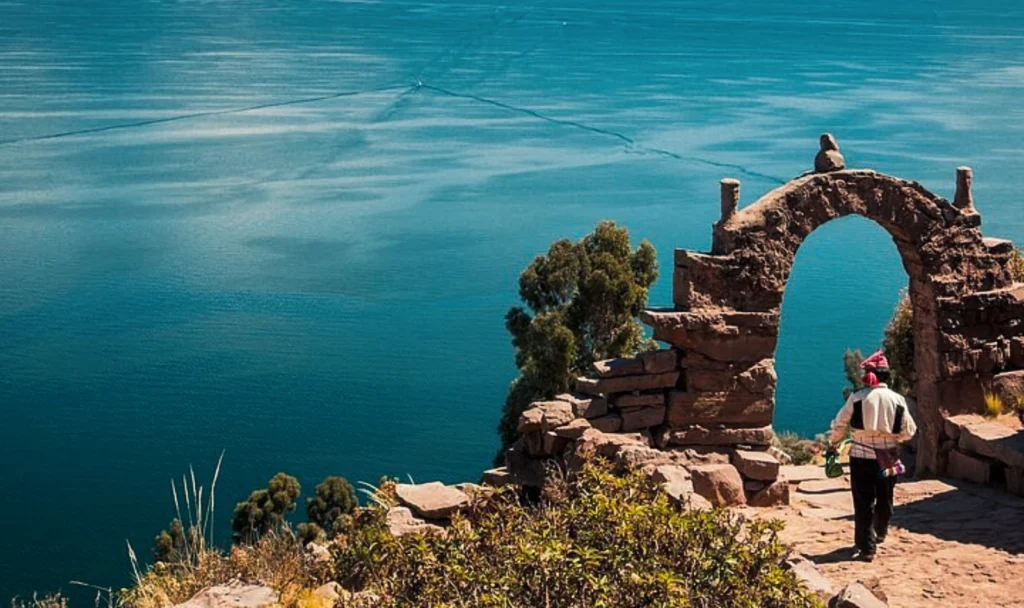
Taquile is an island of farming terraces and stone paths with sweeping views of the lake. Its Quechua community is famous for its textiles, an art form recognized by UNESCO as intangible cultural heritage. Locals say the designs and colors of garments, such as the men’s knitted caps (chullos), communicate social status within the community.
The boat ride from Puno takes a few hours, so many tours combine Uros and Taquile in one full day. Bring sunscreen, a hat and water: the sun is strong at this altitude and the wind can be cold. The paths include climbs, so walk slowly.
Amantani and community homestays
If you have more time, spend a night on Amantani, where families host visitors in their homes. It is a deeper way to experience Andean life: you share simple meals, chat with your hosts and walk up to the hilltop sites for sunset. Conditions are basic and heating is minimal, so pack warm clothes and a flashlight.
Other excursions from Puno
- Sillustani: about 30 km from Puno, on the shores of Lake Umayo, stand pre-Hispanic burial towers (chullpas). A half-day trip, especially lovely near sunset.
- Capachica Peninsula and Llachón: a quieter option with community-based tourism.
- The altiplano route: traveling between Puno and Cusco by road or tourist train shows off highland scenery and stops such as Raqchi. Check current operations and schedules before booking.
Altitude tips
Puno sits higher than Cusco, so altitude sickness can appear easily. Some general suggestions:
- Rest on your first day and avoid heavy meals and alcohol.
- Drink water often and move at a calm pace.
- Pack warm layers: nights are very cold even in the dry season.
- Talk to your doctor before traveling if you have existing health conditions.
When to go and how many days to plan
The dry season, roughly May to September, brings clearer skies but very cold nights. In the rainy season the landscape is greener, though cloud cover is more common. One or two days cover the basics: one day for Uros and Taquile and half a day for Sillustani. To include Amantani, plan at least two days with one night on the island.
Adding Titicaca to your Peru itinerary
Puno fits naturally into a southern Peru route linking Arequipa, the Colca Canyon and Cusco. Our Inca Mountain Range program takes you through Arequipa, Colca, Puno, Cusco and Machu Picchu, plus Vinicunca and Humantay. If you prefer a more spiritual journey, Treasures of the Andes combines Lake Titicaca with a Pachamama ceremony, the Sacred Valley and Machu Picchu.
Frequently asked questions
How many days do I need in Puno?
Two days let you see Uros, Taquile and Sillustani at an easy pace. With an overnight in Amantani, a two-day island excursion is ideal.
Is the altitude at Lake Titicaca hard to handle?
It can be demanding, especially if you arrive straight from sea level. Acclimatizing gently and resting on day one helps a lot.
What should I bring to the islands?
Sunscreen, a hat, layered clothing, water, some cash in soles for crafts and comfortable shoes.
Are island visits responsible?
They can be, if you choose operators who work with the communities, respect local rules and buy directly from artisans.
Ready to add Lake Titicaca to your trip to Peru? Contact Deep Peru Travel and our team will design a tailor-made route with local guidance and respect for the communities you visit.
Design your tailor-made trip
Don't let them tell you about it. Experience the authentic Inca Trail with local experts.
Book AdventureTours Recomendados
More Reads
November 18, 2026
November 18, 2026
November 18, 2026





Leave a Reply