Sacred Valley Peru: What to See and How to Plan Your Trip

The Sacred Valley Peru is the agricultural and cultural heartland of the Cusco Andes. Adobe villages, farming terraces and snow-capped peaks line the Urubamba River, linking some of the most important sites of the Inca empire. Here is what to see, how to plan your route and how to experience the valley more deeply.
Table of Contents
Where is it and why does it matter?
The valley lies north of Cusco at about 2,800 metres, lower than the old Inca capital. That makes it a smart place to spend your first nights if you want to acclimatise gently before heading higher. Its mild climate and fertile soil allowed the Incas to grow excellent maize and experiment with crops on specially built terraces.
The best places to visit
Pisac
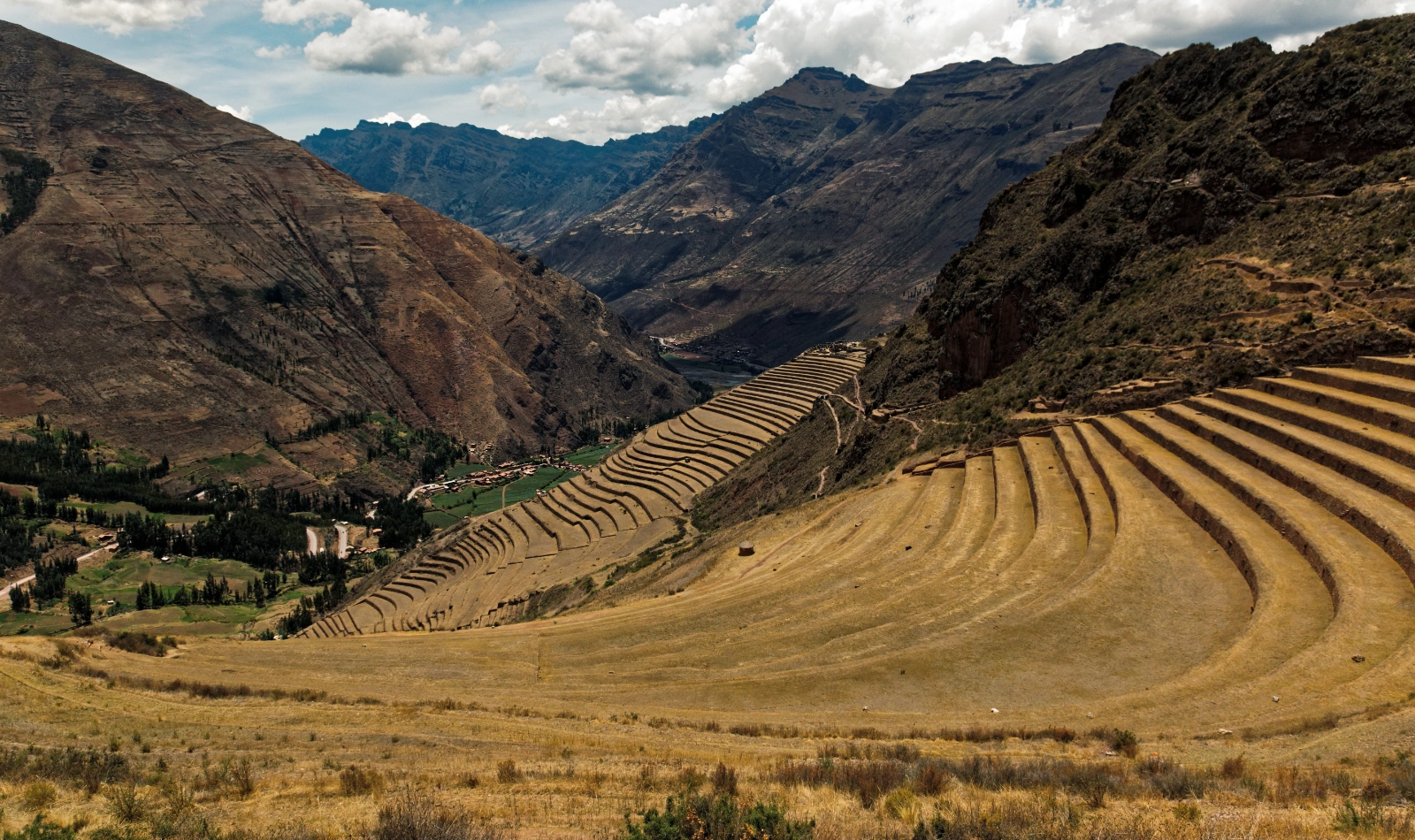
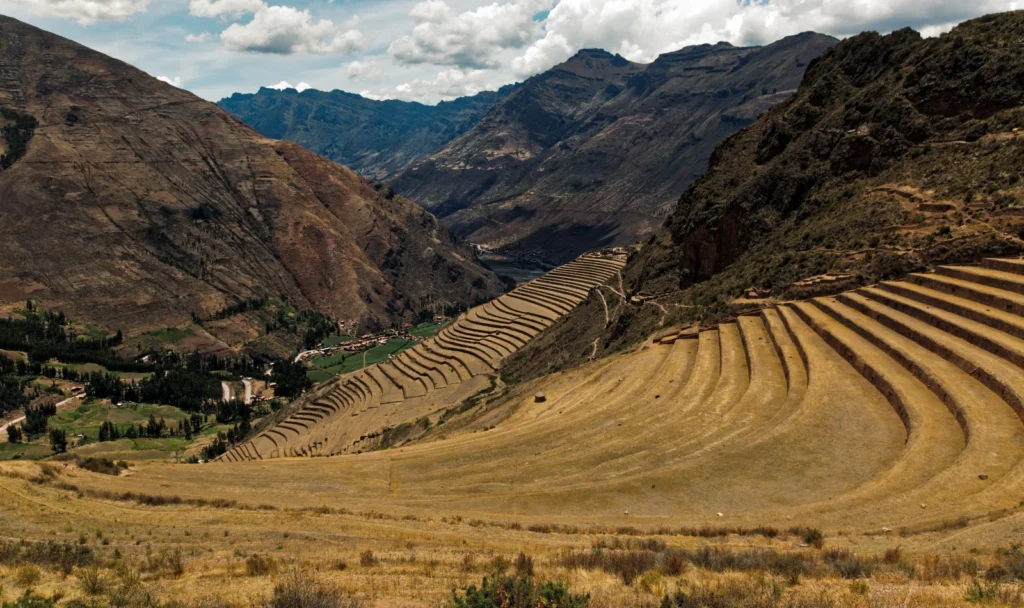
Pisac offers an archaeological park with dramatic terraces on the mountainside and a village with a craft market. The busiest market days are usually Tuesday, Thursday and Sunday, but check current schedules. It is a good spot for textiles and for trying empanadas from a clay oven.
Chinchero
At over 3,700 metres, Chinchero is known for its traditional weaving. Local weaving associations show how wool is spun, dyed with natural pigments such as cochineal and woven on a backstrap loom. There is also a colonial church built on Inca walls.
Maras and Moray
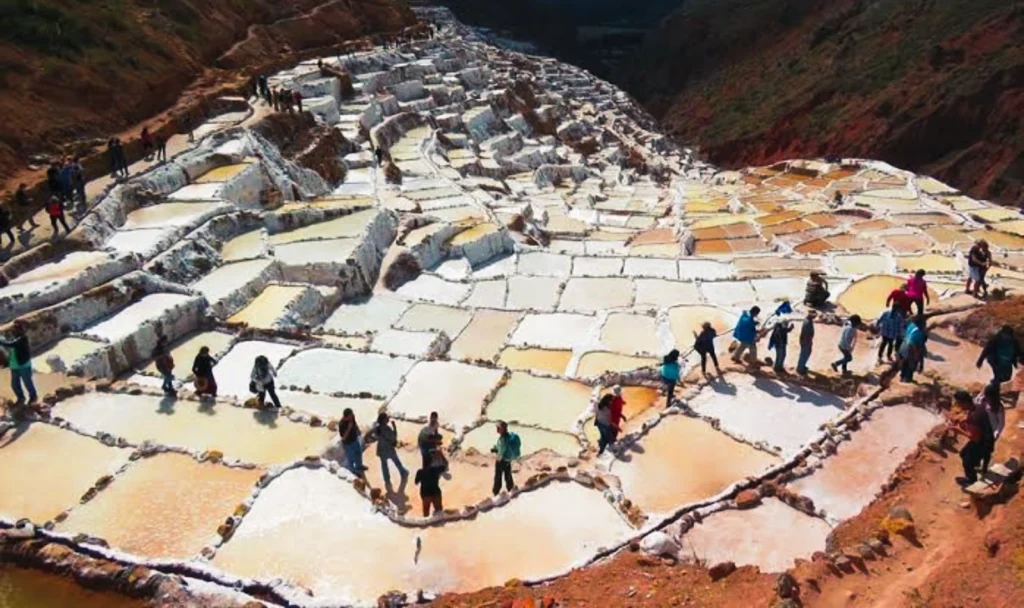
The Maras salt pans are thousands of small pools fed by a salty spring, used since pre-Inca times. Nearby, Moray has large circular depressions with concentric terraces. Many researchers believe they worked as an agricultural laboratory, since temperatures change from one level to the next. It is among the most photogenic stops in the valley.
Urubamba
Urubamba is a handy base, with plenty of lodging, restaurants and scenery. From here you can arrange hikes, bike rides and visits to pottery workshops and local farms.
Ollantaytambo
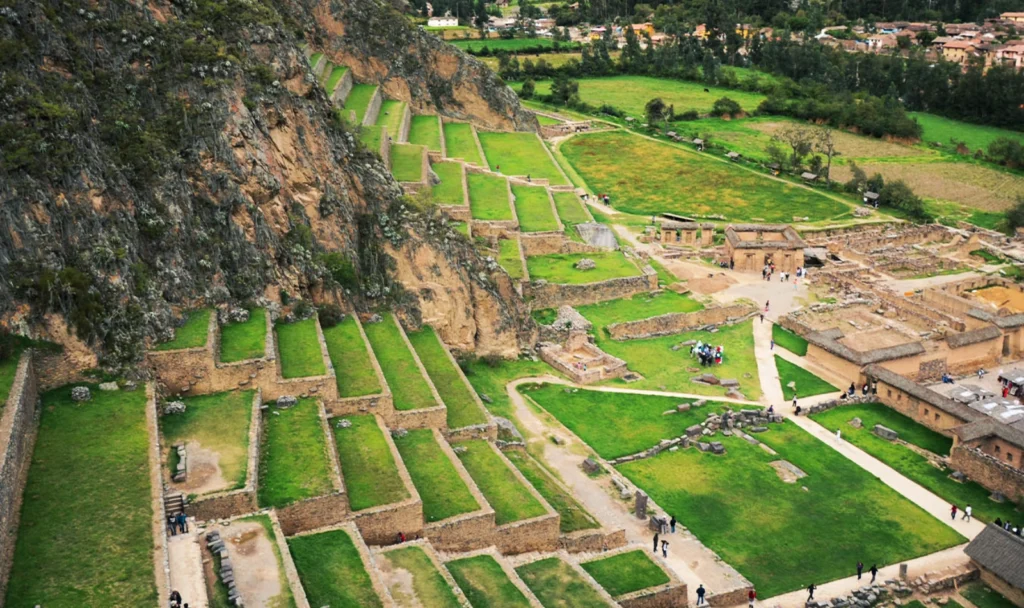
Ollantaytambo is one of the few places where the original Inca street layout survives, with stone lanes and working water channels. Its fortress and giant terraces overlook the town. It is also where trains leave for Aguas Calientes, the gateway to Machu Picchu.
Go deeper: visit the Patabamba community
If you want to see beyond the classic sights, spending time in an Andean community such as Patabamba gives you a glimpse of rural Cusco life: high-altitude farming, traditional cooking and customs that are still alive. Meeting local families, respectfully and without rushing, is often what travellers remember most. This kind of community-based tourism benefits families directly.
How to plan your route
- One day: you can see Pisac, Ollantaytambo and Chinchero on a classic tour, though it feels rushed.
- Two days: adds Maras, Moray and a night in the valley with fewer transfers.
- Three days or more: ideal for hiking, community visits and free time in the villages.
Roads are mountain roads, so journeys can take longer than the map suggests even though distances are short.
Best time to go and what to pack
The dry season, roughly May to September, brings clearer skies and sunny days, with cold nights. From November to March it rains more, but the landscape turns intensely green. The valley can be visited all year.
- Layers, a light jacket and something warm for the evenings.
- Sunscreen, hat and sunglasses: the sun is strong at altitude.
- Comfortable shoes for stone paths and dirt tracks.
- A reusable water bottle and some cash for markets and communities.
- Your passport, needed for several entrances and for the train.
Combining the valley with Machu Picchu
Many travellers pair the valley with Machu Picchu, since Ollantaytambo is the train gateway. For a well-rounded first trip, our Cusco Top 5-day programme covers the Sacred Valley, Maras and Moray along with Cusco and Machu Picchu. If you prefer a slower, more spiritual journey, Treasures of the Andes adds a Pachamama ceremony and more time in the highlands.
Frequently asked questions
How many days do I need in the Sacred Valley?
One day covers the essentials; two or three let you slow down and visit communities.
Do I need a tourist ticket?
The main archaeological sites charge admission. Check current rules and prices before you travel, as they can change.
Is it a good idea to sleep in the valley?
Yes. It is lower than Cusco, which helps with acclimatisation, and it is quieter.
Can I visit a community on my own?
It is better to arrange it through an agency or a local association so the visit is respectful and benefits the families.
Would you like to explore the Sacred Valley with a local team that knows every corner? Contact Deep Peru Travel and we will design an itinerary around you.
Design your tailor-made trip
Don't let them tell you about it. Experience the authentic Inca Trail with local experts.
Book AdventureTours Recomendados
More Reads
November 18, 2026
November 18, 2026
November 18, 2026





Leave a Reply