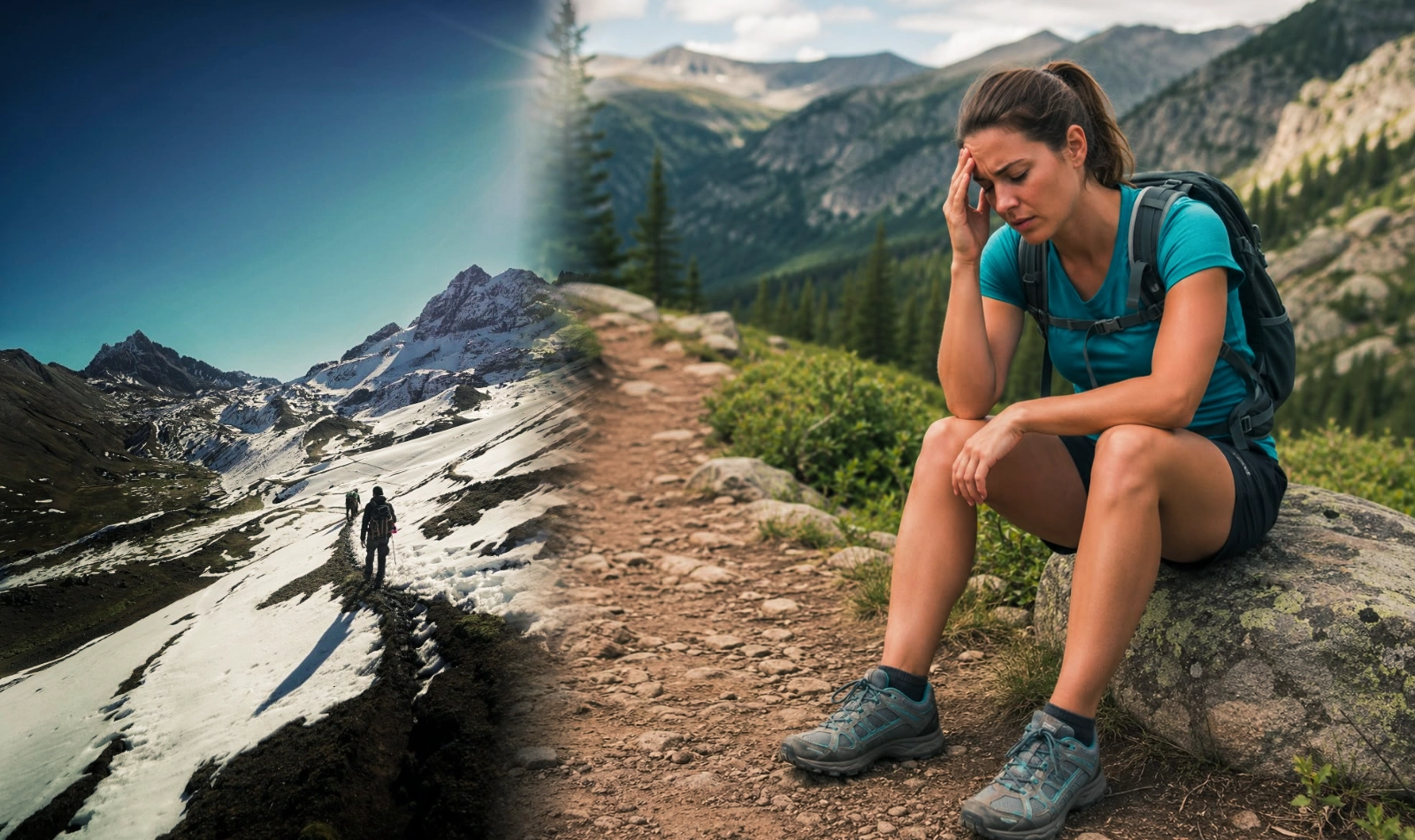
Altitude Sickness in Peru: How to Prevent It in Cusco, Puno and Rainbow Mountain

Many travelers worry about altitude sickness in Cusco before they go. Altitude sickness, known as soroche in the Andes, can affect anyone: young or old, athletic or not. With good information and a well-planned route, most travelers cope well. This guide is informational and is no substitute for medical advice: talk to your doctor before traveling, especially if you have heart, lung or blood pressure conditions, or are pregnant.
Table of Contents
What is soroche?
At higher elevations there is less oxygen available, and your body needs time to adapt. Common mild symptoms include headache, dizziness, tiredness, nausea, loss of appetite and poor sleep. They usually appear within the first hours or the first day. If symptoms are severe or getting worse (serious breathlessness, confusion, persistent vomiting), descend and seek medical care right away.
Altitudes of the main destinations
These figures are approximate:
- Lima: sea level.
- Arequipa: about 2,300 m (7,500 ft).
- Sacred Valley: roughly 2,700 to 3,000 m, depending on the town.
- Machu Picchu: about 2,430 m.
- Cusco: about 3,400 m (11,150 ft).
- Puno and Lake Titicaca: about 3,800 m.
- Colca Canyon (Cruz del Cóndor): near 3,700 m, with higher mountain passes along the way.
- Humantay Lake: around 4,200 m.
- Vinicunca (Rainbow Mountain): close to 5,000 m.
How to prevent it: practical tips
- Acclimatize gradually. Flying from Lima takes you from sea level to 3,400 m in about an hour. Keep your first day for rest.
- Order your route wisely. A common approach is to sleep in the lower Sacred Valley before heading up to Cusco. Another is to visit Arequipa before Puno to gain height in steps.
- Stay hydrated with small, frequent sips all day.
- Eat light, avoiding very heavy meals, especially on the first night.
- Go easy on alcohol and tobacco, which can make symptoms worse.
- Walk slowly and rest when needed; at altitude, slow is smart.
- Sleep well and dress warmly, as nights are cold.
Coca tea and traditional remedies
In the Andes it is customary to drink coca tea and other infusions such as muña. Many travelers find them comforting, and hotels and restaurants offer them. Keep in mind they are a traditional comfort, not a proven medical treatment. Also, coca leaves must not be taken out of the country, so do not pack them for your flight home.
Medication: ask your doctor
Some doctors prescribe medication to help prevent altitude sickness. Use depends on the individual, so only take it if your doctor advises it. Cusco and Puno also have oxygen available in hotels and health centers; ask on arrival.
Rainbow Mountain and high-mountain excursions
Vinicunca and Humantay involve walking far higher than the city. Ideally, do them after two or three days of acclimatization, not on day one. Walk at your own pace and bring water, snacks, sunscreen, warm clothing and a rain poncho. If you feel unwell, tell your guide, who can adjust the pace or route. Horses are also available on some sections of the trail.
How we design itineraries
At Deep Peru Travel we plan routes so you gain altitude step by step. For example, the Inca Mountain Range tour visits Arequipa, Colca, Puno, Cusco and Machu Picchu before the Vinicunca and Humantay excursions, giving you progressive acclimatization. For a more spiritual and peaceful experience, Treasures of the Andes includes the Sacred Valley, a Pachamama ceremony, Machu Picchu, Vinicunca and Lake Titicaca.
Frequently asked questions
Who gets soroche?
Anyone can; being fit does not guarantee you will avoid it.
How long does it last?
Mild symptoms generally ease within a day or two of acclimatizing, but everyone is different.
Can I go to Rainbow Mountain on day one?
It is not recommended; it is better to acclimatize first.
Questions about altitude on your trip? Contact Deep Peru Travel and we will design a gradual, comfortable and safe itinerary so you can enjoy the Andes.
Design your tailor-made trip
Don't let them tell you about it. Experience the authentic Inca Trail with local experts.
Book AdventureTours Recomendados
More Reads
November 18, 2026
November 18, 2026
November 18, 2026





Leave a Reply